How the Apartment Industry Has Changed During the Pandemic
How The Pandemic Changed the Apartment Industry

The Pandemic has changed the way that many business industries run. While some businesses can easily adapt to this change, others are having a harder time and even though it may seem like things are getting back to normal, covid is far from over. The apartment industry had to adapt to social distancing during the pandemic and while many leasing offices are up and running again for now, they have definitely changed. Below are a few ways that the pandemic has changed the apartment industry and how you can make sure your community can stay afloat during these hard times.
Leasing Style
Before the pandemic there were not very many communities that had online leasing and touring options only. When non-essential workers were put on lockdown, leasing agents were no longer in the office and while some were able to work from home, others were laid off and went on unemployment. Instead of prospective residents being able to go to communities, speak with an agent, and tour their future home, they could only do it over the phone and the tours were on their computer screens. Now that leasing offices are open again, many communities do not have the number of staff that they had before. Prospective residents are coming to communities to speak with agents but might have to wait an hour before they find someone available to talk to, yet alone tour. This can be very off putting, and these prospects will most likely move on before your agent has the time to get to them, leaving you with more and more vacancies as the months go on.
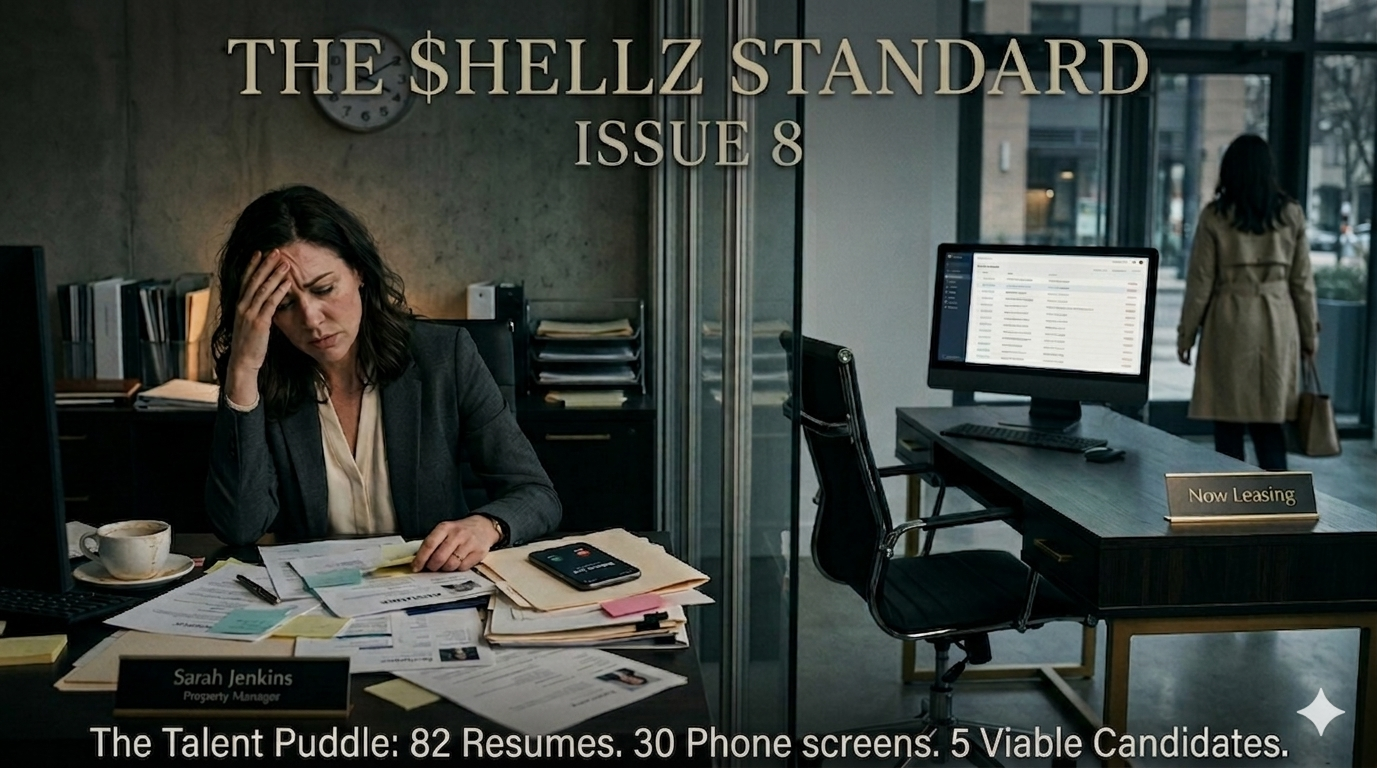
Hiring more agents may seem like the easy answer to this problem, but that is a struggle in its own. Many apartment complexes are trying to hire the same experienced leasing agents that you are, and it can be very time consuming and draining to compete for the small number of applicants there are. With a lot of people opting to stay on unemployment, even the pool of unexperienced applicants is hard to obtain any interviews and real leads. If you can get a leasing agent that is experienced that is fantastic, however, that will be unlikely. Therefore, training is something that will have to be a priority and with the low number of staff communities have and how time consuming it can be, that doesn’t seem to be something they are heavily focusing on. You may think that an untrained agent is better than no agent, but untrained agents can turn off a prospective resident just as quickly as waiting for someone to help them can. A good solution to your problem in the interim while you look for qualified agents would be to hire a temporary staffing company that specializes in leasing. Leasing Temporaries is an apartment staffing company that trains all their agents, so you don’t have to, and they even have temp-to-hire options if you find someone that is a great fit. Hiring an agent temporarily can decrease vacancies while you look for your permanent agent.
Maintenance Technicians
The amount of maintenance technicians in the apartment industry have been decreasing for some time, however, the pandemic led to a lot of people leaving the industry and staying on unemployment. While maintenance techs were considered essential workers, many were still laid off and now communities are scrambling trying to find people to finish the piling work orders their property has. Not having enough maintenance workers can lead to very unhappy residents, slower apartment turnover and more vacancies. It is a difficult task to find qualified maintenance workers since you definitely need individuals with experience and training. Leasing Temporaries can also be a solution for maintenance workers since they temporarily staff apartments with these trained technicians as well. While your apartment might be able to get by without leasing, maintenance is something that needs to be continuously staffed. Using Leasing Temporaries to help keep up with work orders, get apartments move in ready and keep your grounds looking clean and beautiful while you look for your permanent hires is a great way to keep things running smoothly at your multifamily residences.
While the apartment industry has changed during the pandemic, and finding staff has become a much harder task, that doesn’t mean that your complex is doomed to suffer. Even though it is ideal to find your own permanent staff, its okay to get help when it comes to the survival of your business. If you temporarily staff your multifamily residence with Leasing Temporaries’ leasing and maintenance, your vacancies can go down and you can get back to the thriving community you had before the pandemic hit.
Contact Us:
Leasing Temporaries LLC
(614)987-7590
info@leasingtemps.com
www.leasingtemps.com