
The Rise of the Build-to-Rent Market & Single-Family Homes
Comparing Single-Family & Multi-Family
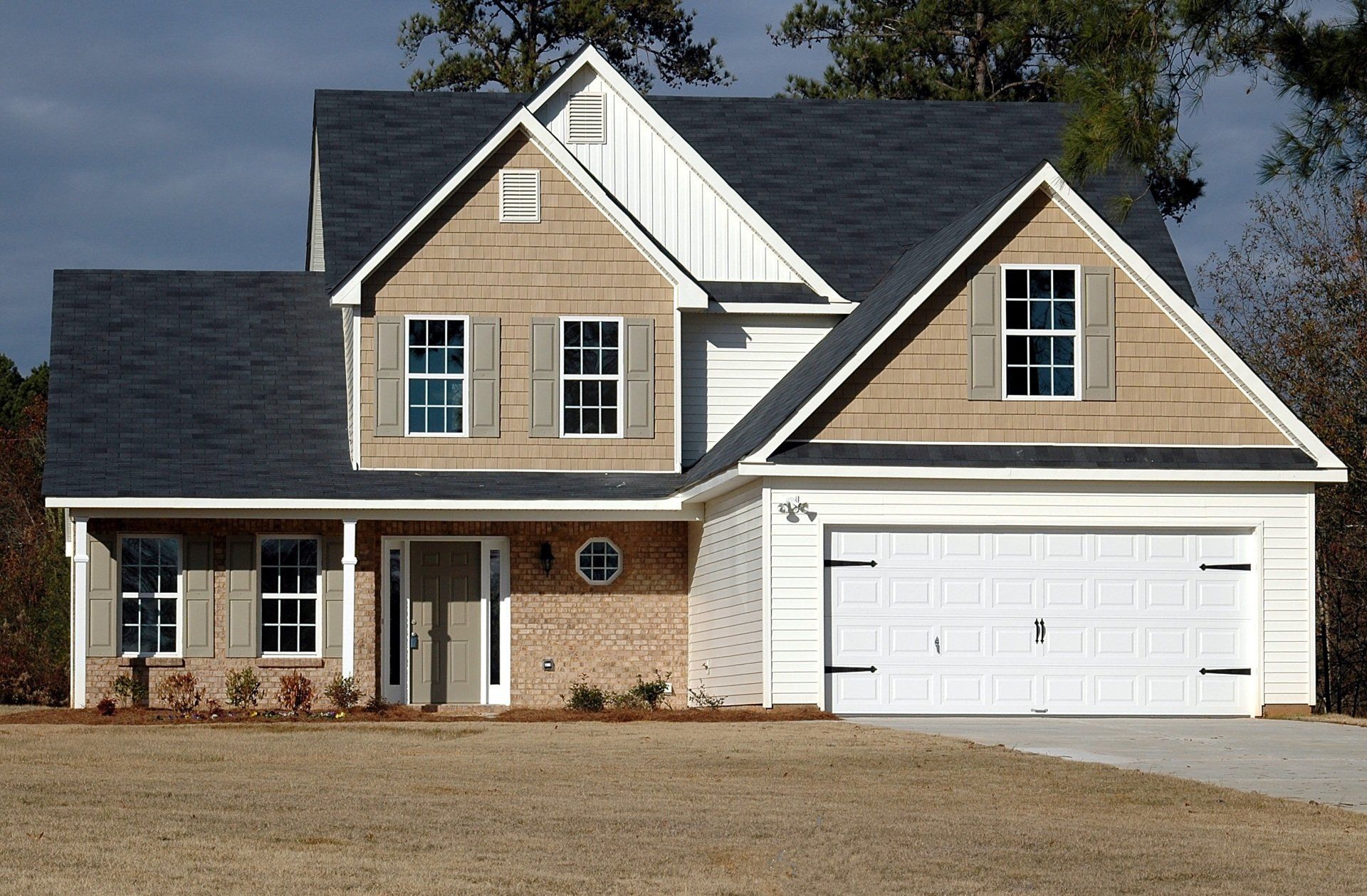
2024 is predicted to see rising interest in single-family home rentals rather than homebuying, and companies like Zillow are calling them the “new starter homes.” Let’s dive into some of the underlying reasons why the demand for single-family is dominating the rental market into 2024 and some comparative predictions for multi-family as well.
With such a low supply and high demand for housing last year, it’s no wonder that multiple people have turned to renting. And, Zillow says, renters that have more exuberant amenities in mind are now turning to single-family rentals/BTR communities instead of spending the time tracking down the perfect multi-family unit. Single-family homes are considered to be more long-term and affordable than multi-family, without the commitment of homebuying. CBRE remarks on millennials’ and empty-nesters’ gravitation towards BTR communities; millennials still paying off college loans whilst preparing to start a family and new retirees downsizing to enjoy the flexibility and decreased financial burden of renting versus homeownership.
Renters are looking for more bang for their buck after the rental market’s asking prices peaked and affordability hit an all-time low. Harvard’s Joint City for Housing Studies emphasizes the number of cost-burdened rental homes in the nation after the statistic capped out in 2022 at 22.4 million—That’s a growth of 2 million households since 2019 that are spending 30-50% of their income on rent and utilities. For those with larger families, single-home units are becoming more and more attractive.
Some other favorable features of build-to-rent/single-family homes are as follows:
• Privacy: No other tenants above/below
• Taller ceilings and more space than traditional multi-family with more dedicated outdoor space
• “Neighborhood” community feel
• Easily maintainable materials such as faux-wood vinyl floors
• Multiple community amenities like walking trails and rentable equipment
• Front-street entry and attached garages
(full list of detailed features here)
66.8% of new house starts were single family homes in 2023, according to the U.S. Census Bureau—The southern region topped the charts with almost 64% of their starts being single-family. In Columbus specifically, 2022 saw 84% of homes purchased being single-family detached and another 8.8% being single-family attached.
Multi-Housing News writes that the single-family BTR market generally reflected multi-family in 2023, and “unless there is a substantial decline in interest rates and the economic environment suddenly improves,” we should prepare for the same conditions in 2024. Additionally, we must factor in the increased supply conditions in both markets: “Demand numbers and low vacancy rates also stem from a lack of availability, a struggle that, while exacerbated by supply-chain slowdowns, has been ongoing for a decade and a half,”—which could change entirely this year due to the predicted influx of completions in the multi-family market especially. Zillow’s report on multi-family performance so far in 2024 notes a slight downtrend from last year (more on the multi-family market in our blog, here:)
While the demand for multi-family will not be eradicated entirely by any means, it’s important to consider how the heightened desire for single-family will affect the asking prices for rents. The $4.4 trillion single-housing/BTR sector saw asking rents last year more than surpass 2022’s and is expected to remain semi-constant into this year depending on the regional market. Zillow reports that single-family rents increased at 2.1% YoY compared to multi-family’s 1.5%. Experts are still unsure what to fully prepare for in this ever-changing market, but we’ll be sure to keep you updated as usual.