Navigating Turnover: Building High-Performing Communities with Leasing Temporaries
A Reimagined Ecosystem for the Modern Property
In the fast-paced world of multifamily housing, one thing is certain: turnover is inevitable. However, as any seasoned property manager knows, disruption doesn’t have to be. Whether you are facing a "high-turn" season or a sudden staffing gap, the right partner can transform a "difficult period" into an opportunity for growth.
A Reimagined Ecosystem for the Modern Property
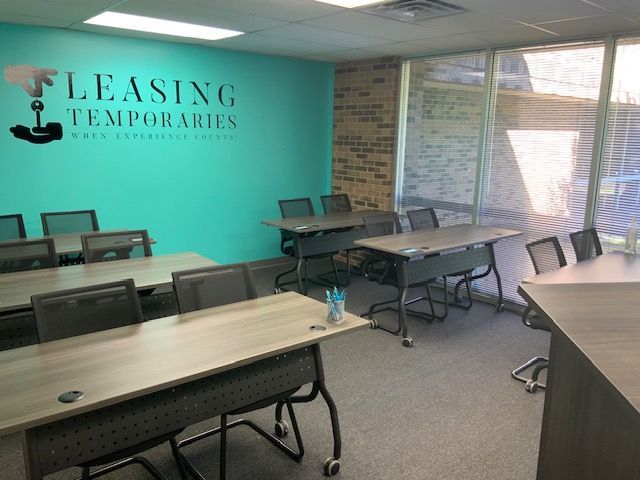
Under the leadership of Shelly Gray, a driving force in the industry since 1999, Leasing Temporaries has evolved into a rebranded ecosystem designed to meet every onsite need. This system includes:
• ShellzTheRecruiter: Connecting communities with "Talent That Fits".
• ShellzTheTrainer & Training Shops: Delivering transformative training to elevate onsite performance across the industry.
Why Talent Alignment Matters
The company’s philosophy centers on the idea that communities need more than just a body in a chair—they need Talent That Performs. By focusing on "aligned talent," the company places professionals who bring long-term value and stability to your team. This approach has proven successful for properties nationwide, with clients noting that their temporary staff often show up with "great hustle" and the ability to lease a "good number of apartments" immediately.
Operational Stability During "The Bind"
High-turn periods and sudden vacancies can put properties in a "bind". The sources highlight that Leasing Temporaries acts as a "life-saver" during these times, filling critical roles—from maintenance technicians to leasing professionals—when other agencies cannot.
By providing reliable staffing, the company ensures:
• Operations stay steady even during transitions.
• Onsite teams feel supported rather than overwhelmed.
• Residents remain cared for, maintaining the community's reputation.
A Personable and Customized Approach
Every property has unique needs, and a one-size-fits-all approach rarely works. Clients have praised the company for providing services that feel "customized to suit my needs" and for an attention to detail that is "second to none". Whether you are a job seeker looking for a "dream career" or a property owner looking for "qualified professionals to support business growth," the goal is the same: providing a smart, kind, and intentional customer service experience.
Property managers can measure the Return on Investment (ROI) of these programs by tracking specific performance indicators across leasing, operational efficiency, and talent acquisition. While the sources do not provide a singular ROI formula, they highlight several measurable outcomes that contribute to a property's financial and operational health:
1. Leasing Performance and Revenue Generation
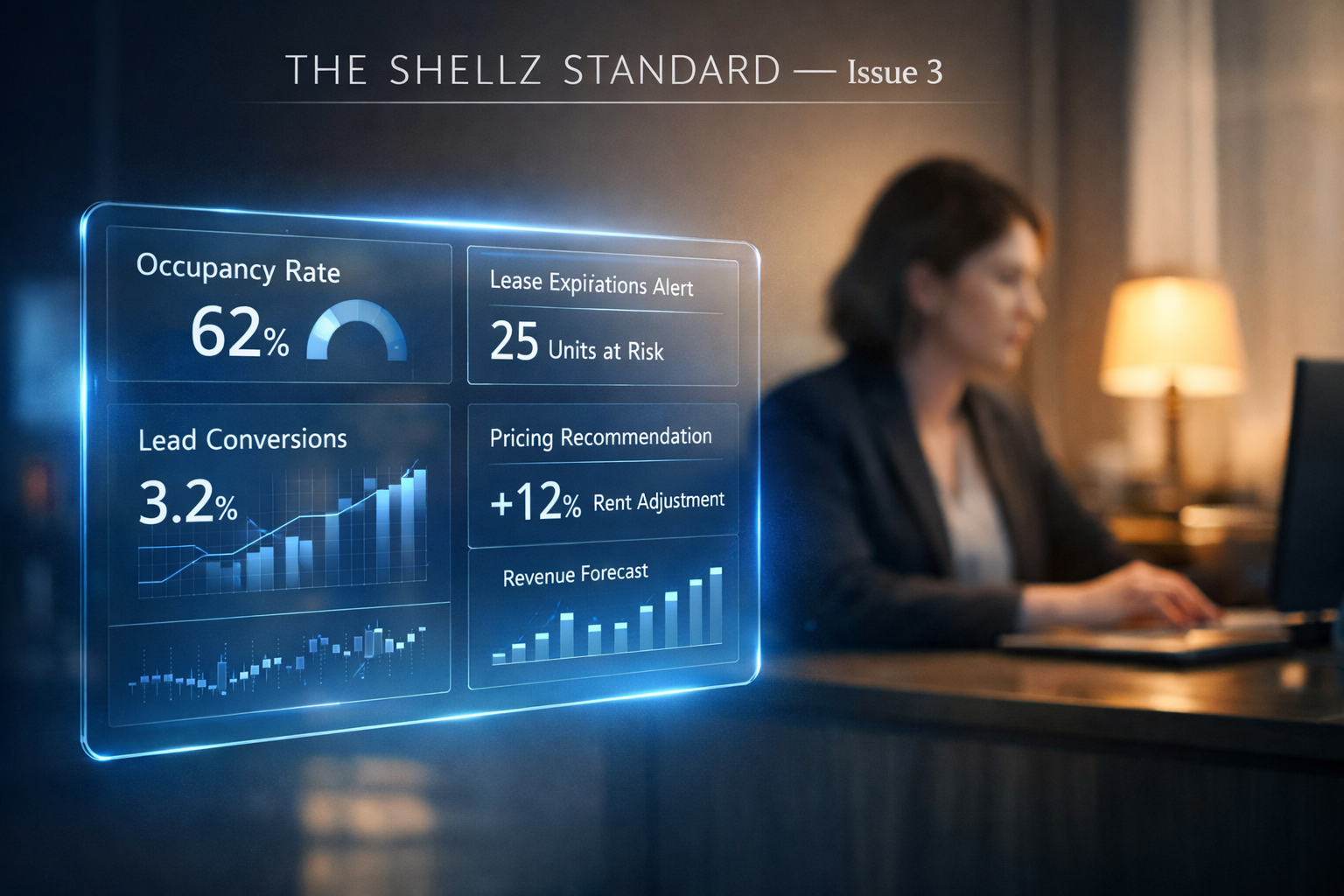
One of the most direct ways to measure ROI is through leasing volume. The sources specifically highlight that these programs aim to "elevate leasing performance".
• Conversion Rates: Managers can track the number of apartments leased by temporary staff; for example, one client reported that their temp "leased a good number of apartments" during their assignment.
• Occupancy Stability: By using "Talent That Performs," properties can maintain or increase occupancy rates even during staff transitions.
2. Operational Efficiency and Labor Productivity
The speed and quality of work delivered by onsite staff directly impact the bottom line.
• Task Completion Rates: ROI can be seen in high productivity levels. One manager noted that staff from the program completed projects so quickly they were done "before I could get another one ready," demonstrating high "hustle and knowledge".
• Maintenance Continuity: By filling critical gaps for maintenance technicians when other agencies cannot, managers avoid the costly delays of deferred maintenance or the need for expensive third-party contractors.
3. Reduced Recruitment and Turnover Costs
Because "turnover is inevitable," the cost of disruption can be high. These programs mitigate these costs through: Direct Placement Value: The program helps managers find "qualified professionals" for direct placement, reducing the time and advertising spend usually required to find a "perfect fit".
4. Mitigation of "High-Turn" Losses
During "high-turn" periods, the risk of operational collapse is high.
• Avoiding Disruption: The program is designed to ensure "disruption doesn’t have to be" a part of turnover.
• Resource Availability: Being able to secure staff to get a property "out of a bind" when other resources fail prevents the loss of potential residents and maintains community standards.
5. Resident Retention and Reputation
The programs prioritize ensuring "residents remain cared for" and providing an "intentional customer service experience".
• Soft Metrics: While harder to quantify, improvements in resident satisfaction and 5-star reviews (similar to those the company receives) can be used as a proxy for long-term ROI, as happy residents are more likely to renew their leases.
By evaluating these factors—leasing numbers, project completion speed, successful permanent hires, and operational stability—property managers can quantify the "long-term value" these staffing and training solutions bring to their communities.
Take the Next Step
Don't let turnover disrupt your community's success. Join a program that is "redefining" the industry standard for multifamily staffing and training.
Ready to elevate your onsite performance?
• Visit us: 470 Olde Worthington Road, Ste 200, Westerville, Ohio
• Call: 614-616-5839
• Email: info@leasingtemps.com
Training that gets practiced, not presented. Shellz Training Guard™ — onsite leasing training for multifamily teams. apartmentleasingtraining.com