
The Real Cost of One-and-Done Training

Shelly Gray • February 12, 2026

Here's what a single annual training day actually costs your leasing operation
Here's what a single annual training day actually costs your leasing operation.

Not the invoice. The real cost.

Small operators in multifamily are doing the best they can with what they have. Limited budgets. Lean teams. One property manager juggling 150 units and a maintenance call at the same time they're trying to onboard someone new. I see you — and I respect the hustle.

But here's the truth nobody wants to say out loud at the regional meeting:

The one-day annual training isn't training. It's documentation.

And we're paying for that distinction every single month.


Let's talk science before we talk dollars.

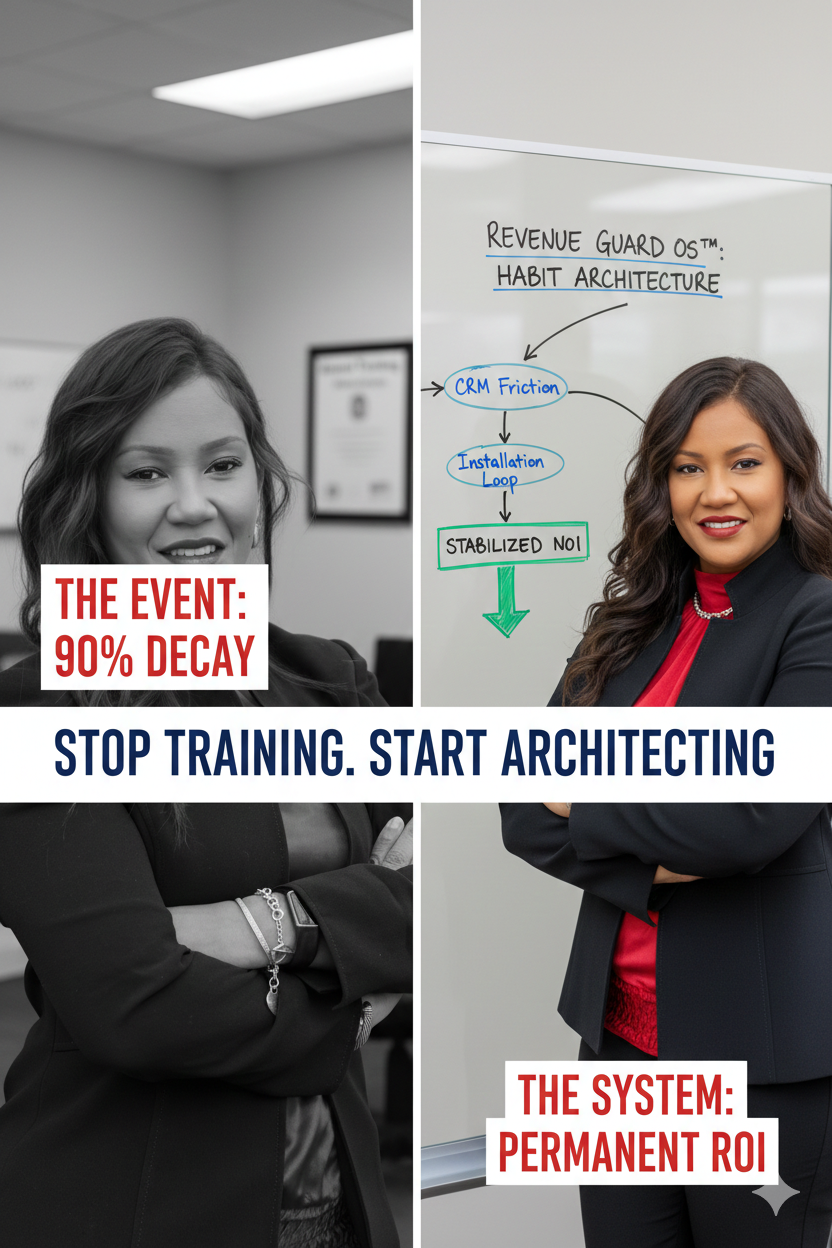
The Ebbinghaus Forgetting Curve has been studied since the 1800s. The finding hasn't changed: people forget 50% of new information within one hour of learning it. Within 24 hours, that number climbs to 70%. By the end of the week, up to 90% of what was "learned" in a classroom is gone.

Let that land for a second.

You paid for a trainer, a conference room, a catered lunch, and a full day of lost leasing activity — and by Monday morning, your team retained roughly 10 cents on the dollar.

That's not a bad trainer. That's human biology.

And yet, the annual training model asks us to repeat this cycle every year and expect different results.


Now let's do the math for a small-to-mid portfolio operator.

The multifamily industry carries a 33% annual employee turnover rate — nearly triple the national average of 12–15%. Every time a leasing agent walks out the door, it costs an estimated $4,700–$5,000 to replace them (SHRM / Grace Hill data), and that's before you factor in the 60–90 days it takes a new hire to reach full performance.

Scale that across a portfolio of 200–8,000 units and you're looking at 10–80+ leasing professionals across your properties. At 33% turnover, you're replacing anywhere from 3 to 25+ people every year. That's $15,000–$125,000 in replacement costs annually — before one dollar of lost leasing velocity, missed renewals, or occupancy drag while seats are empty.

Layer in this: 52% of property management professionals say their greatest challenge is quickly training new employees. That's not a staffing problem. That's a system problem.

And if your operation only trains once a year, every new hire is working off a degraded version of whatever the last person was taught — because the behavior was never installed in the first place.


Here's where it gets personal.

I spent years in this industry — both placing leasing talent and studying what made properties perform. The properties that struggled most weren't always the ones with the worst staff. They were often the ones with the most inconsistent behavior.

Speed of response. How a voicemail gets returned. Whether confirmation calls actually happen before a tour. Whether "I'll follow up with you" actually means anything.

These aren't skills that get installed in a day. They're habits. And habits require repetition, accountability, and reinforcement — not a certificate of completion.


So who's doing it right? And what does it look like?

The operators who are winning on training share a few common traits:

They treat training as an operating system, not an event. Monthly touchpoints, consistent reinforcement, managers who coach — not just manage.

They measure behavior, not just completion. Anyone can click through a module. Fewer can tell you whether that module changed how a leasing agent handles a price objection on a Friday afternoon.

They connect training to revenue. Not theoretically — specifically. Response time improvements, tour conversion rates, lease renewal behaviors. If your training isn't tracked to dollars, it's a cost center.

They invest proportionally, not perfunctorily. This doesn't mean spending more — it means spending differently. Consistent 15-minute coaching conversations beat a once-a-year training day every time, and they cost nothing but discipline.


This isn't about shaming the one-and-done model.

It exists because budgets are real and time is scarce. But for the small operator, 'checking the box' is a luxury you cannot afford when every lead counts.

The properties I've seen transform their performance didn't do it with a bigger training spend. They did it with a smarter one—by installing an architecture that survives the first 24 hours.

If you are running 1–5 properties and your leasing numbers feel inconsistent, remember: The answer is almost never the staff. It is almost always the system. Stop documenting. Start architecting.

Shellz The Habit Architect | The Industry Standard | The Human-Centric Guardian

By Shelly Gray February 13, 2026
Let's have an honest conversation about the tool everyone's using and almost nobody's auditing. 
By Shelly Gray January 14, 2026
A Reimagined Ecosystem for the Modern Property
By Shelly Gray January 12, 2026
Why the next decade of multifamily success will be built on smarter systems and stronger data.
By Shelly Gray January 6, 2026
From Temp Agency to Talent & Performance Partner: Why We’re Rebranding to Better Serve the Property Management Industry
By Shelly Gray January 6, 2026
The story behind our shift from filling gaps to building stronger, more confident onsite teams.
By Shelly Gray December 15, 2025
How empathy, connection, and emotional intelligence are redefining success in modern property management.
By Shelly Gray December 9, 2024
Breaking Into Property Management: Top Skills and Traits for Millennials and Gen Z
By Shelly Gray December 9, 2024
The property management industry is evolving rapidly, and the expectations placed on leasing agents have never been higher. In an increasingly competitive market, providing excellent service is not just a goal—it’s a necessity. One of the most effective ways to ensure consistent performance and exceptional customer service is through mystery shopping. Whether you’re a property manager looking to enhance your team’s skills or a property management staffing company like LeasingTemps , mystery shopping offers invaluable insights to improve leasing performance. What Is Mystery Shopping? Mystery shopping is a tool used by businesses to evaluate the customer experience. In property management, a mystery shopper poses as a prospective tenant to assess leasing agents’ professionalism, knowledge, and ability to close deals. This service provides an unfiltered view of how your team interacts with prospects and highlights areas of improvement. The Benefits of Mystery Shopping in Property Management 1. Evaluate Customer Service Skills Leasing agents are the face of your property, and their ability to engage with potential tenants can make or break a lease agreement. Mystery shopping: Identifies strengths in communication and rapport-building. Pinpoints gaps in service, such as missed follow-ups or lack of enthusiasm. 2. Assess Leasing Skills A well-trained leasing agent knows how to highlight a property’s features and address tenant concerns effectively. Mystery shopping evaluates: How well agents promote the property. Their ability to handle objections and guide prospects toward signing a lease. 3. Ensure Policy Compliance From fair housing laws to company-specific guidelines, compliance is crucial. Mystery shopping ensures: Adherence to legal requirements during interactions. Consistent application of internal policies and procedures. 4. Boost Team Morale and Accountability When done constructively, mystery shopping isn’t just about identifying problems—it’s about celebrating successes. Sharing positive feedback can boost morale and motivate agents to maintain high standards. How Mystery Shopping Works The process typically involves these steps: Customized Evaluation Criteria : Define what you want to measure, such as communication skills, property knowledge, or sales techniques. Shopper Assignment : Mystery shoppers visit your property or conduct inquiries via phone or email, mimicking real prospect interactions. Detailed Reporting : After the visit, you’ll receive a report detailing the shopper’s experience, including areas of strength and opportunities for growth. Real-Life Success: The Impact of Mystery Shopping Consider this scenario: A property management company noticed their leasing rates were declining despite steady traffic. After implementing mystery shopping, they discovered: Leasing agents were not asking closing questions. Prospects were not being offered additional services, like virtual tours. With targeted training based on mystery shopping feedback, the team improved their lease conversion rate by 20% within three months. Why Choose LeasingTemps for Mystery Shopping? At LeasingTemps , we specialize in mystery shopping for the property management industry. Here’s why our clients trust us: Tailored Evaluations : We understand the nuances of leasing and create custom evaluations to fit your needs. Experienced Shoppers : Our team includes individuals familiar with the industry, ensuring detailed and accurate assessments. Actionable Feedback : Beyond reports, we offer training solutions to address specific challenges identified during mystery shops. Take Your Leasing Team to the Next Level Mystery shopping is more than just a performance review—it’s a tool for continuous growth. By identifying areas for improvement and celebrating successes, you can create a leasing team that excels at every interaction. If you’re ready to improve your leasing team’s performance and enhance your property’s reputation, check out our training and mystery shopping services . Together, we can make every tenant interaction a success.
By Shelly Gray December 5, 2024
The Future of Property Management: Embracing Technology
October 28, 2024
In property management, the success of any business is closely tied to tenant satisfaction. A positive relationship between tenants and property managers plays a pivotal role in ensuring long-term occupancy and reducing turnover, ultimately leading to higher profitability and fewer vacancies. One of the most effective ways to foster these relationships is through top-notch customer service. When property management staff are customer service-oriented, they create a welcoming, responsive, and supportive environment that significantly impacts tenants' experiences. This blog post explores why customer service is vital in property management staffing, how it contributes to tenant satisfaction, and the benefits it brings in reducing turnover. Why Customer Service Matters in Property Management Property management is unique compared to many other industries because it involves maintaining ongoing relationships with tenants, often over several years. These tenants rely on property managers not only to provide them with a functional and safe living environment but also to address concerns and needs quickly. Every interaction between tenants and property management staff impacts the overall experience, making customer service a central component of success. There are several key reasons why customer service plays a crucial role in property management: 1. First Impressions and Onboarding The first interaction a potential tenant has with a property management team sets the tone for the entire relationship. A friendly, informative, and helpful staff member can make a significant difference in whether a prospective tenant chooses to rent from that property. From answering questions to facilitating tours, customer service during the onboarding phase is crucial. A smooth and welcoming experience not only attracts tenants but also makes them feel confident in their decision, starting the relationship on a positive note. 2. Building Trust and Rapport Trust is the foundation of any successful relationship, including that between tenants and property management staff. When tenants trust their property managers to handle issues professionally and promptly, they are more likely to feel comfortable and satisfied with their living situation. Building trust comes from consistent, reliable communication and responsiveness. Staff who show empathy and understanding when handling tenant requests or complaints contribute significantly to the tenant's overall sense of well-being. 3. Effective Communication Communication is central to any relationship, and property management is no exception. Clear, respectful, and timely communication fosters a sense of trust and reliability. Property managers who take the time to explain procedures, update tenants on maintenance work, or provide information about property policies make tenants feel valued. Proactive communication—such as notifying tenants in advance of scheduled maintenance or changes in policies—demonstrates that the management is attentive to their needs. Tenants are more likely to stay when they feel informed and heard. 4. Resolving Issues and Handling Complaints In any rental situation, problems are inevitable—whether it's a maintenance issue, a billing question, or a noise complaint. What sets a great property management team apart is how they handle these problems. Tenants appreciate prompt, effective resolutions to their issues, and the speed and professionalism with which complaints are handled can either strengthen or weaken the tenant-manager relationship. Customer service-oriented staff understand the importance of listening to tenants' concerns and taking swift action, preventing small issues from escalating into larger disputes. 5. Creating a Sense of Community Properties are not just buildings; they are homes where people build their lives. Property management teams that focus on customer service contribute to creating a sense of community among tenants. Organizing events, communicating about community activities, and encouraging a respectful, harmonious living environment make tenants feel more connected. This connection often leads to higher satisfaction and a desire to stay within the community longer. How Customer Service-Oriented Property Managers Reduce Turnover One of the biggest challenges in property management is tenant turnover. Each time a tenant leaves, property managers must invest time and resources into preparing the unit for the next occupant, including marketing, cleaning, repairs, and screening potential tenants. High turnover can quickly drain resources, while tenant retention can lead to steady cash flow and lower operating costs. Here’s how customer service-oriented property management staff can significantly reduce turnover: 1. Enhancing Tenant Satisfaction Happy tenants are more likely to stay in their units. When property management teams provide excellent customer service, tenants feel appreciated and valued. This leads to higher levels of satisfaction and a lower likelihood of tenants leaving at the end of their lease. Studies show that tenants are more willing to overlook minor inconveniences or higher rental costs if they feel they are being treated well. In contrast, even a perfect property in terms of physical maintenance won’t hold onto tenants if the management staff is rude, unresponsive, or dismissive. 2. Addressing Problems Before They Lead to Turnover Often, tenants leave properties because their concerns are not addressed in a timely or satisfactory manner. It may be a chronic issue with maintenance, unresolved noise complaints, or general dissatisfaction with management's responsiveness. Customer service-oriented staff actively listen to tenant concerns and work to address them before they escalate. By staying proactive, they can resolve potential issues before they cause frustration and lead to a decision to move. 3. Fostering Long-Term Relationships Personal connections matter in any service industry, and property management is no different. When property managers know their tenants' names, remember important details about their living situation, and show genuine concern for their needs, tenants feel more attached to the property. This sense of connection fosters loyalty, making tenants more likely to renew their leases. Staff who go the extra mile to ensure tenants feel comfortable and appreciated make a lasting impact. 4. Creating a Stable Living Environment High tenant turnover disrupts the stability of a community. When tenants constantly come and go, it can create a transient feel, making it difficult for long-term residents to feel settled. Customer service-focused property managers help to maintain stability by cultivating a community atmosphere where tenants feel at home. This sense of continuity encourages tenants to stay longer, as they feel secure in their surroundings. 5. Positive Word-of-Mouth and Referrals Satisfied tenants are often the best advocates for a property. When tenants have positive experiences with management staff, they are more likely to refer friends or colleagues to the property. Word-of-mouth recommendations reduce marketing costs and attract quality tenants. Additionally, positive online reviews can enhance a property’s reputation, drawing in prospective renters who value excellent customer service. This referral cycle leads to lower vacancy rates and fewer resources spent on acquiring new tenants. Best Practices for Customer Service in Property Management Staffing To ensure property management teams provide excellent customer service, it is essential to implement best practices that promote tenant satisfaction and retention: 1. Training and Development Property management staff should receive regular training on customer service best practices. This includes communication skills, conflict resolution, empathy training, and problem-solving techniques. Investing in staff development ensures that they are well-equipped to handle the various challenges that arise in property management. 2. Creating a Customer-Centric Culture Management should foster a culture that prioritizes customer service at every level. From the front desk staff to maintenance teams, everyone should be aware of the impact they have on tenant satisfaction. Encouraging a customer-centric mindset ensures that staff consistently strive to exceed tenant expectations. 3. Implementing Feedback Systems Actively seeking feedback from tenants allows property management to understand what is working and what needs improvement. Implementing regular tenant surveys or providing easy ways for tenants to share their thoughts helps management teams stay proactive. Addressing feedback in a timely manner shows tenants that their opinions are valued and taken seriously. 4. Setting Clear Expectations Tenants should know what to expect from their property management team. Clear communication regarding maintenance schedules, office hours, and response times sets the standard for interactions. When tenants are aware of what to expect, they are less likely to feel frustrated by delays or misunderstandings. 5. Utilizing Technology for Better Service Technology can enhance customer service in property management. Online portals for rent payments, maintenance requests, and communication provide tenants with convenient and efficient ways to interact with management. Streamlining these processes improves the tenant experience and reduces frustration. Conclusion In property management, exceptional customer service is more than just a "nice-to-have"—it is a vital component of building lasting relationships with tenants and reducing turnover. Customer service-oriented property managers help create an environment where tenants feel valued, heard, and supported. These positive interactions lead to higher satisfaction levels, which directly translates into lower turnover rates, fewer vacancies, and a more stable community. By prioritizing customer service in property management staffing, businesses can not only improve tenant retention but also enhance their reputation and profitability in a competitive market. In the long run, the investment in building strong tenant-manager relationships pays off in the form of long-term loyalty and financial success.