
Ohio Homeownership: Rental Demand & Price Growth
Recapping Ohio's Trends within Single-Home Ownership & Housing Availability

Based on numbers in July of this year, homes in Ohio experienced a 19.9% decline in sales (compared to July of 2022). Research of Ohio’s market has attributed this decrease to multiple facets, such as “higher mortgage interest rates and historically low inventory levels of homes available for sale” (Norada.com, 2023).
In addition, we have seen the average sales price of an Ohio home undergo a 5.4% increase with reference to July of last year—we’re talking almost $290,000 on average for a house. People are still buying homes despite this increase, most likely due to the desire for housing as an informed long-term investment. Realtors are adding emphasis to supplementing additional guidance to uncertain home buyers during these rocky trends. The demand is there—realtors should recognize the need to adapt accordingly.
Higher interest rates:
Now over 7%, interest rates are frightening away a plethora of buyers—Toledo realtor Eddie Campos reminds buyers that "People aren’t out there as much as they would have been because we are now at 7 percent. So, you can always refinance in the future because there is an anticipation by the first quarter, we will see interest rates come down."
The Ohio real estate market is still a seller’s market, but the likelihood of prospective buyers’ offers being approved has increased alongside the elevated rates.
What factors could be contributing to these trends?
- Job growth: The state of the economy and increased job opportunities can directly and indirectly affect real estate purchasing power. As of today, the unemployment rate is 3.3% (down .5% from last September).
- The economy: Ohio’s gross state product has been slightly increasing at a rate of 1% over the last five years, topping off last year at $620.7 billion. Higher confidence in the economy induces homeowners to spend more for an increase in housing value, amongst other reasons.
- Census: More people = more houses. In the long run, an expanding population inspires a greater demand for housing, thus strengthening the real estate market. Ohio has seen a constant growth at an average of .2% per year within the last decade, which leads us to the next topic of discussion: The decrease in home availability, and how this has influenced rental culture.
Ohio’s Lack of Single-Family Homes
According to the Northwest Ohio Realtors July Housing Report, “new listings decreased 29 percent for single-family homes and 27 percent for condo-villa homes since last July.” Additionally, the Pew Research Group reveals that institutional investors purchased nearly 33,000 single family homes in Ohio in 2021 alone—21% of all housing sales within the state (this doubled from 2020.)
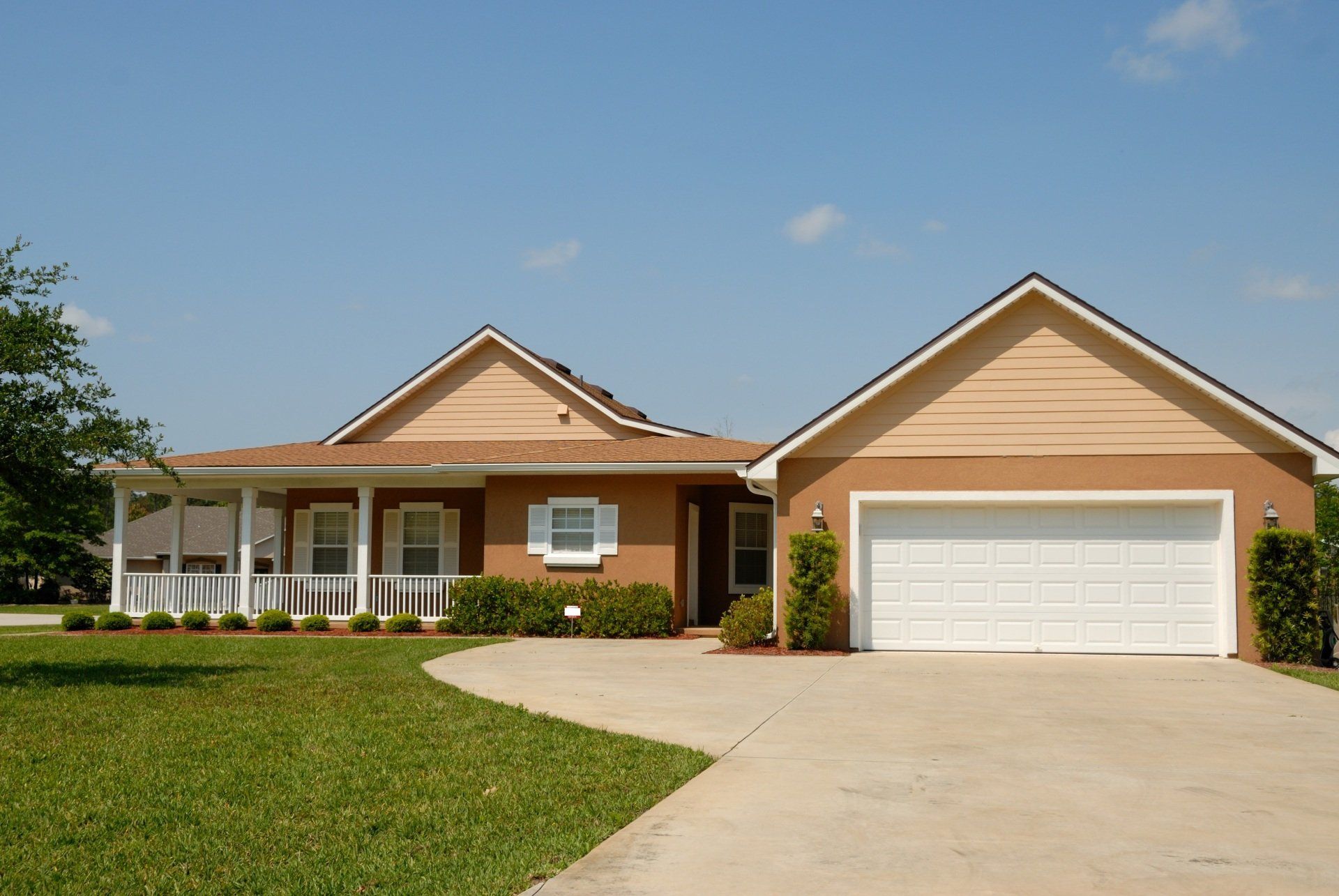
Ohio has seen an increase in a new concept deemed “build-to-rent,” brand new subdivisions of single-family rental homes. Thought to be “the solution” to Ohio’s housing crisis by large real estate companies, these homes would offer the aspects of homeowning desired by families who cannot afford the rising mortgage interest rates. Chief Economist at National Association of Home Builders Robert Dietz explains “We know that as a result of COVID, a lot of people wanted a single-family structure. They wanted more space. We estimate that probably about a third of the workforce is working at home, at least a few days a week. All those factors drive demand for the single-family structure. But of course, not everyone can afford those costs.”
These build-to-rent homes are convincing new tenants with their streamlined in-house maintenance, accessible customer service, online rent payment, and growing lists of amenities.
Ohio is nowhere near the brink of a real estate market crash, but potential homebuyers (and realtors!) should keep an eye out for changes in major trends in the market and adjust their expectations accordingly.