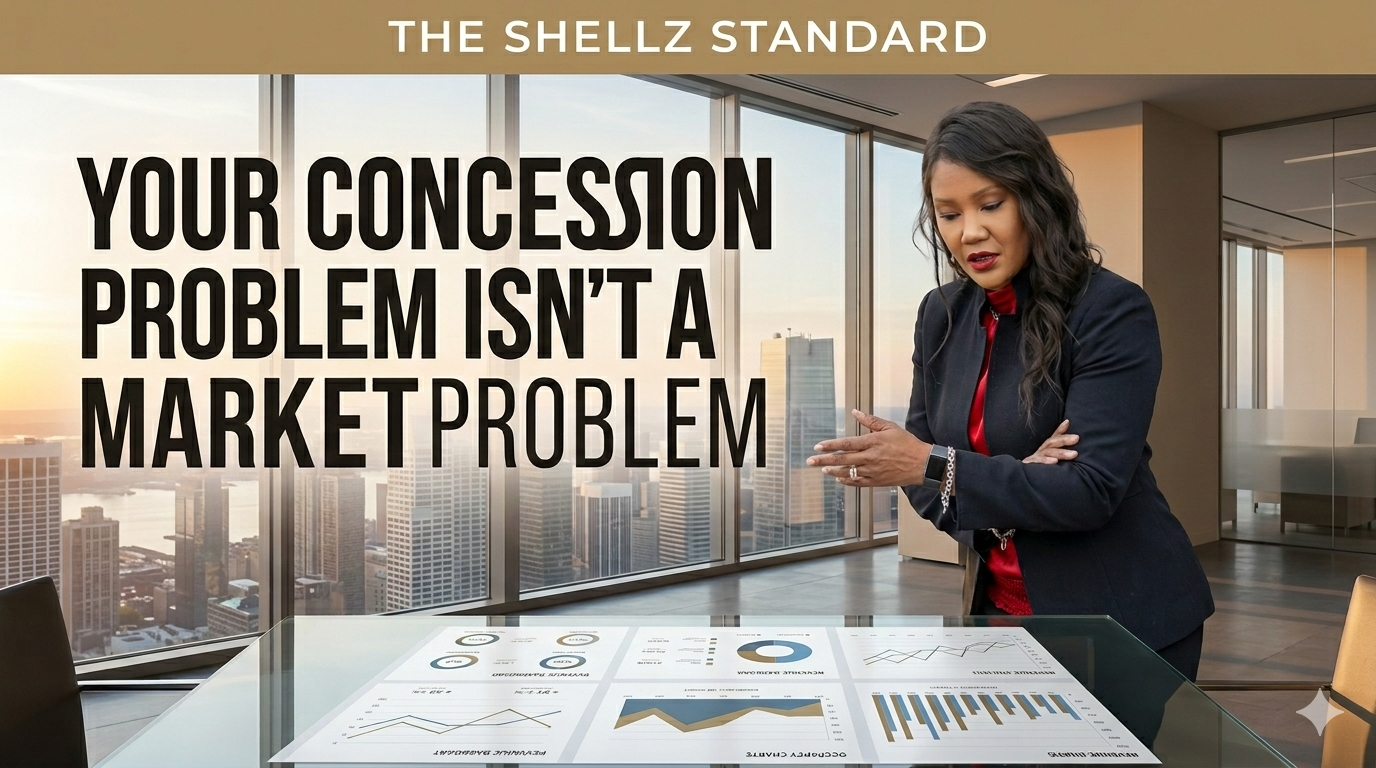

When Tenure Becomes the Problem (And How to Turn It Into Your Greatest Advantage)
In multifamily, loyalty is currency.
The team member who's been with you 15–25 years carries something no new hire can buy — institutional knowledge, trusted relationships, and the kind of operational continuity that keeps portfolios stable when everything around them is shifting.
That's real. That's valuable. Don't lose it.
But here's the part that doesn't show up on a spreadsheet:
When a 25-year veteran operates by intuition rather than a system, they aren't just an asset — they're a single point of failure. If they walk out the door tomorrow, your standard walks out with them.
And while they're still there? In a 2026 market where operational margins are thinner than ever, good enough is a leak you can no longer afford to ignore.
The Problem Isn't Tenure. It's Tenure Without Measurement.
When the only scorecard is "Has this person ever visibly failed?" — the blind spots don't get surfaced. They get normalized.
A property at 92% occupancy looks fine until you realize the market is running at 95%. That 3% gap isn't a market problem. It's a behavior problem — one that's been quietly compounding for years because nobody looked.
We often mistake stability for performance. They are not the same thing.
Across the portfolios I've audited, unmeasured tenure shows up the same way every time:
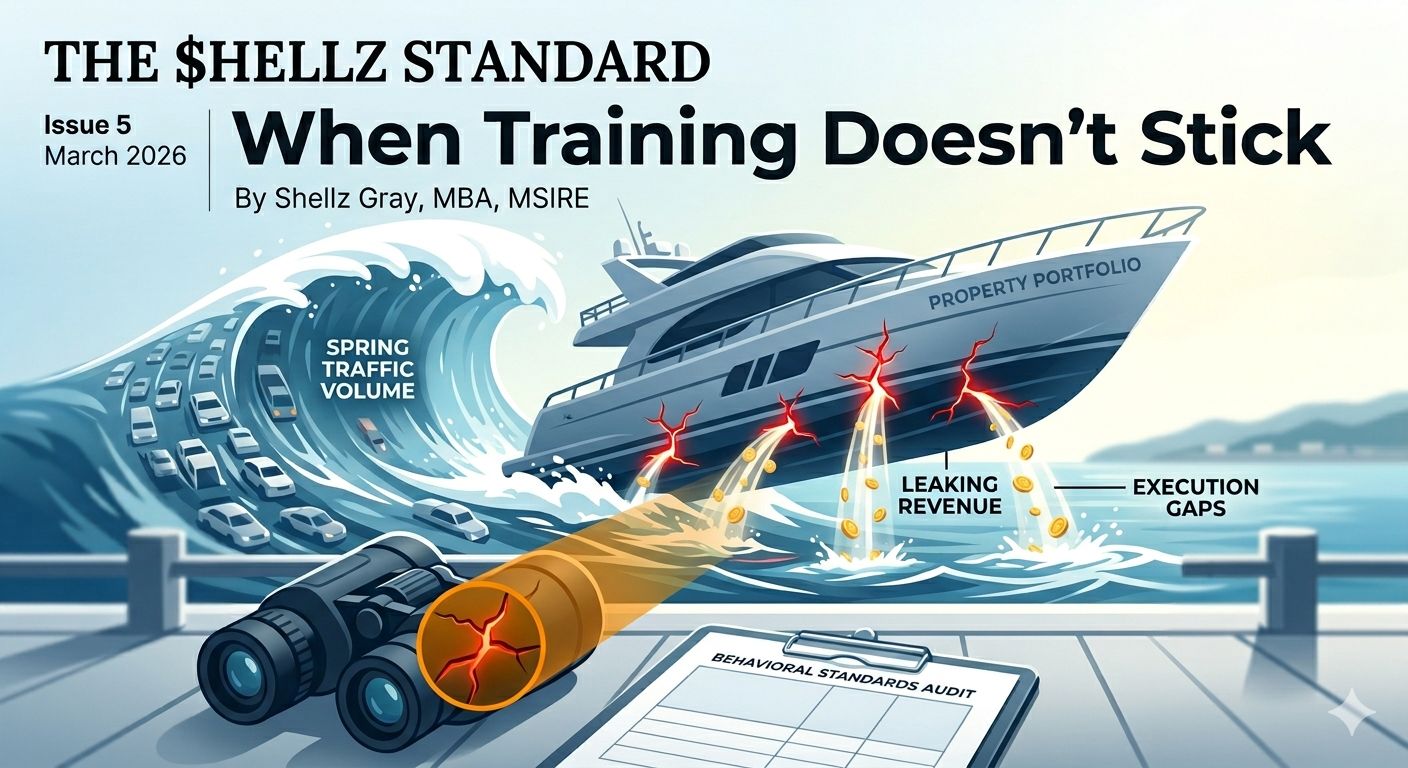
A leasing lead who "knows the comps" but hasn't mystery-shopped in years. A long-tenured manager who still walks units the way they did in 2012. Renewal conversations handled on autopilot. Follow-up that slowly erodes. Pricing decisions made from memory instead of data.
Nothing catastrophic. Just small, repeated decisions that no longer match today's resident expectations — and a six-figure revenue impact hiding in plain sight.
Even a 2–3% swing in retention or leasing velocity can mean six-figure impact per asset. Multiply that across a portfolio and the math gets uncomfortable fast.
The Succession Leak — A Risk Nobody Budgets For
Here's what makes this even more expensive: what happens when that person retires?
If their knowledge isn't systematized before they leave, the leak becomes a flood the moment they walk out. Systematizing their knowledge isn't about checking their work. It's about protecting their legacy so the organization doesn't collapse when they move on.
The best operators I know don't wait for a retirement announcement to have this conversation. They build systems that outlast every individual in them — including the best ones.
The Fix Isn't Replacing Your Veterans. It's Giving Them a System.
When you install a modern performance framework, something powerful happens: tenure becomes your multiplier. Your veterans stop being the exception to the standard and start becoming the protectors of it.
Think of it this way:
No System Modern System Short Tenure Chaos & high turnover Rapid clarity & scaling Long Tenure Blind spots & risk The gold standard
The goal is the bottom right. And you get there through structure — not by pushing out the people who built the foundation.
Four shifts that keep the relationship intact and the results improving:
1. Move from relationship trust to data trust. Create leading indicators — retention rates, renewal velocity, follow-up consistency — that apply to every role, including your veterans. When data is shared monthly, it stops feeling like an audit and starts feeling like a shared dashboard everyone owns.
2. Build fresh-eyes rituals. Intentionally pair your most tenured leaders with high-potential newer talent on specific projects — technology pilots, process redesigns, competitive shopping. The veteran brings context and wisdom. The newcomer brings curiosity and fresh questions. Both get sharper. The organization moves faster.
3. Replace annual reviews with legacy reviews. Once a year, sit down with every long-tenured leader and ask: "If you were starting this role today with everything you now know, what would you change first?" Then give them ownership of implementing at least one of those changes. It honors their expertise while demanding thoughtful evolution.
4. Elevate them from hero operator to Habit Architect. The best long-tenured people want to move from doing the work to designing work that can't break when they're gone. Give them that stage. Measure their success by how replicable, scalable, and durable their systems become. A true leader doesn't just do the work — they design the habits that ensure the work gets done right every time, regardless of who is in the seat.
The Closing Thought
The next decade of multifamily won't be won by speed or scale alone. It will be won by operators who pair loyalty with measurement, history with evolution, and tenure with systems that keep everyone sharp.
Tenure is an asset. Unmeasured tenure is a liability.
The organizations that master that balance will outperform — in occupancy, in retention, and in culture.
Who is the one person in your portfolio you've been afraid to measure? Sit with that question. The answer usually points directly to your biggest opportunity.
The Shellz Standard is written for operators who are willing to ask the harder questions.
About the Author
Shelly Gray, MBA, MSIRE is the Founder & CEO of Shellz Property Partners. She trains and staffs multifamily leasing teams — but unlike traditional training companies, she diagnoses first. After 25+ years in the industry, she built SRGOS™ around one belief: you can't fix what you haven't properly identified. Her work helps operators stop losing revenue to the leasing behaviors their dashboards never show them.